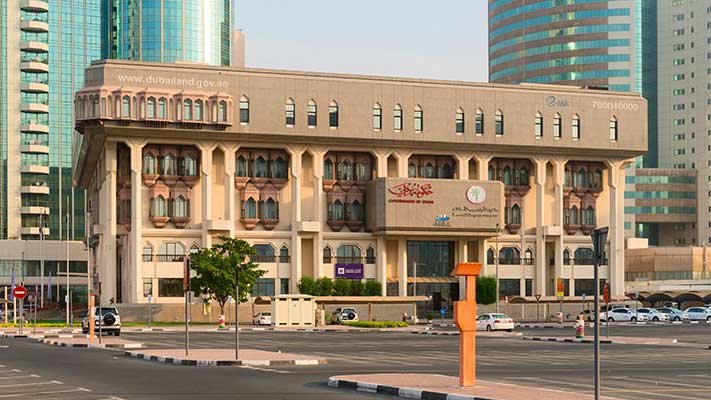

Dubai’s real estate market is one of the most active property markets in the region, attracting local buyers, international investors, developers, landlords, and tenants. With the volume and value of real estate transactions taking place across the emirate, having a clear system for property registration, ownership documentation, regulation, and dispute resolution is essential.
The Dubai Land Department (DLD) is the government authority responsible for administering and regulating major aspects of Dubai’s real estate sector. Its responsibilities extend beyond registering property ownership to include real estate transactions, title deeds, leasing services, licensing, regulation, valuation, investment support, and real estate dispute resolution.
Understanding the role of the Dubai Land Department is particularly important for property owners, buyers, developers, investors, landlords, tenants, and businesses involved in Dubai’s real estate market.
What Is the Dubai Land Department?
The Dubai Land Department (DLD) is the government entity responsible for managing Dubai’s real estate sector and documenting real estate transactions within the emirate.
The department was established in 1960 and has developed into a central authority for property registration, real estate regulation, investment support, and real estate-related services in Dubai. Its responsibilities include documenting property transactions, issuing ownership documents, regulating real estate activities, supporting investment, and contributing to the development of Dubai’s real estate market.
DLD’s role is therefore broader than simply maintaining property records. It provides an integrated framework covering different stages of the property lifecycle, from registration and ownership documentation to leasing, valuation, development, licensing, and dispute resolution.
What Does the Dubai Land Department Do?
The Dubai Land Department performs several functions that affect property owners, buyers, sellers, developers, landlords, tenants, and real estate professionals.
Its core areas of responsibility include:
- Real estate registration and documentation
- Issuing title deeds and ownership documents
- Registering property transactions
- Registering off-plan sales and real estate projects
- Mortgage registration and other property dispositions
- Real estate licensing and regulation
- Tenancy contract registration through Ejari
- Property valuation
- Real estate investment services
- Real estate market data and information
- Regulation of certain real estate professionals
- Real estate dispute resolution through the Rental Disputes Center
DLD currently organizes its services around real estate development, licensing, rental services, transaction services, and title deed data services.
Property Registration with the Dubai Land Department
One of the most important functions of DLD is the registration and documentation of real estate transactions.
DLD states that it is the legally authorized entity responsible for registering and documenting real estate transactions in Dubai. Property transactions are recorded through the department’s electronic registration system according to the applicable procedures and documentation requirements.
Property registration is important because it creates an official record of ownership and provides the legal documentation associated with the property.
Dubai’s government portal also explains that registration of land and property with DLD provides the owner with an official title deed that protects ownership rights and helps prevent disputes involving the property.
Depending on the transaction, the registration process may involve the owner, buyer, seller, developer, authorized representative, real estate registration trustee, bank, or other relevant parties.
What Types of Property Transactions Can Be Registered?
The Dubai Land Department provides a range of real estate transaction and title deed services.
Examples include:
Property Sale Registration
Property sale transactions can be registered with DLD to formally document the transfer of ownership.
This is particularly important when purchasing property in Dubai because the contractual agreement between the parties is only one part of the transaction. Proper registration and issuance of the relevant ownership documentation are essential to formally establish the buyer’s registered ownership.
Property Gift Registration
DLD also provides services for registering property gifts. This allows the transfer of property ownership as a gift to be formally recorded in the department’s system.
Inheritance-Related Title Transfers
DLD provides title deed services that include inheritance title transfers, allowing ownership records to be updated following an inheritance process.
Title Deed Modifications
Property owners may also need to update or modify information recorded on a title deed. DLD lists title deed modification among its title deed data services.
Mortgage Registration
Mortgage-related transactions form part of the real estate registration framework. Proper registration is particularly important when a property is financed through a bank or other lending institution.
What Is a Dubai Title Deed?
A title deed is an official document associated with registered property ownership.
DLD provides services allowing customers to verify the validity of title deeds issued by the department. Title deed information can therefore play an important role in confirming registered property ownership and reviewing the legal status of a property.
Before completing a significant property transaction, parties should ensure that ownership information and relevant property documentation are properly reviewed.
This is particularly important where the transaction involves:
- Multiple owners
- Mortgages
- Powers of attorney
- Corporate ownership
- Inheritance
- Property transfers
- Disputes
- Off-plan property
- Existing contractual obligations
A legal review can help identify potential issues before a transaction is completed.
Dubai Land Department and Off-Plan Property
DLD also plays an important role in the regulation and registration of real estate development projects and off-plan transactions.
Developers can use DLD’s project registration services to register a real estate project and establish an escrow account for off-plan sales. The official process includes submitting project information through the relevant DLD systems, providing required documentation, satisfying project requirements, and completing the applicable registration process.
This regulatory framework is particularly important for buyers considering an off-plan property because the legal and financial structure of an off-plan transaction can differ significantly from the purchase of a completed property.
A buyer should therefore consider reviewing matters such as:
- The developer’s legal status
- Project registration
- Development approvals
- Sale and purchase documentation
- Payment obligations
- Escrow arrangements
- Completion obligations
- Default provisions
- Termination rights
- Transfer and resale conditions
DLD and Real Estate Developers
The Dubai Land Department also regulates and supports various aspects of real estate development.
Developers may need to complete registration and regulatory procedures before marketing and selling units in certain projects. DLD’s project registration service, for example, includes requirements relating to ownership documentation, project plans, developer registration, guarantees, and escrow arrangements.
For developers, compliance with DLD requirements can therefore be an important part of establishing and operating a real estate project in Dubai.
Legal advice can be particularly valuable when structuring development agreements, reviewing sale documentation, managing contractual obligations, or addressing disputes with investors, contractors, purchasers, or other parties.
Dubai Land Department and RERA
The Dubai Land Department includes the Real Estate Regulatory Agency (RERA) as one of its sectors/entities.
RERA is responsible for areas such as real estate licensing and training, regulation of development escrow accounts, standards relating to owners’ associations and jointly owned property management companies, and real estate control and regulatory systems.
This distinction is important because DLD and RERA are closely connected within Dubai’s real estate regulatory framework, but their functions are not identical.
In practical terms, a property owner or investor may interact with DLD for registration and ownership matters while regulatory issues involving developers, brokers, licensing, or certain real estate activities may involve RERA.
DLD and Ejari
The Dubai Land Department also oversees tenancy-related services through the Ejari system.
Ejari is used to register and manage tenancy contracts in Dubai. DLD provides services for registering and renewing tenancy contracts, and these services can be accessed through approved service channels as well as the Dubai REST application.
The registration of a tenancy contract is particularly relevant to landlords and tenants because it creates an official record of the rental relationship.
DLD’s current services include:
- Registering tenancy contracts
- Renewing tenancy contracts
- Cancelling tenancy contracts
- Managing tenancy-related information
The Dubai REST application also provides property owners and tenants with access to lease-management services.
Dubai Land Department and Real Estate Licensing
DLD is also involved in licensing and regulating various real estate activities.
Its real estate licensing services cover activities such as:
- Real estate development
- Real estate sales and purchase brokerage
- Real estate leasing brokerage
- Real estate consultancy
- Property management
- Real estate valuation
- Property inspection
- Land surveying
- Mortgage brokerage
- Real estate registration trustee activities
- Real estate service centres
The specific requirements depend on the activity and the licensing structure involved.
This makes DLD an important authority not only for property owners but also for businesses and professionals operating within Dubai’s real estate industry.
Can Companies Register with the Dubai Land Department?
Certain companies dealing with real estate transactions may need to register with DLD’s systems.
DLD provides a company registration service that allows companies to obtain a reference number used for real estate transaction services. The service includes requirements relating to corporate documents and ownership information, depending on the type of company.
This can be relevant to companies involved in property transactions, developers, real estate businesses, and other entities interacting with DLD systems.
Businesses should ensure that their corporate documents, licenses, powers of attorney, and ownership information are properly prepared before initiating a transaction.
What Is the Dubai REST Application?
The Dubai REST application is DLD’s digital platform for accessing various real estate services.
The platform provides services relating to property and lease management and can be used by different participants in Dubai’s real estate market.
Depending on the service, users may be able to:
- Manage tenancy contracts
- Register or renew Ejari contracts
- Access property information
- Track certain transactions
- Access property-related data
- Use other DLD digital services
DLD describes Dubai REST as an integrated digital platform for property owners, tenants, and other real estate participants.
Digital access can simplify administrative procedures, but it does not eliminate the need for legal review where a transaction involves complex contractual, ownership, corporate, inheritance, or dispute-related issues.
When Do You Need a Lawyer for a Dubai Land Department Transaction?
Not every routine DLD service requires a lawyer.
However, legal advice can become important when the transaction involves significant financial value, complex ownership structures, contractual risk, or potential disputes.
You may benefit from legal assistance when:
Buying or Selling High-Value Property
A lawyer can review the sale and purchase agreement, identify contractual risks, and help ensure that the transaction documentation reflects the parties’ intended rights and obligations.
Purchasing Off-Plan Property
Off-plan transactions may involve developers, escrow arrangements, construction timelines, payment schedules, completion obligations, and contractual remedies.
A legal review before signing can help a buyer understand the risks associated with the agreement.
Property Owned by a Company
Corporate ownership can introduce additional legal and documentary requirements.
A transaction may require review of corporate authority, shareholder arrangements, board resolutions, powers of attorney, and constitutional documents.
Property Transfers Involving Inheritance
Inheritance-related property transfers can involve multiple legal documents and parties.
Legal assistance can help ensure that ownership and succession issues are properly addressed before the property record is changed.
Using a Power of Attorney
Where a representative acts on behalf of an owner or buyer, the scope and validity of the power of attorney should be carefully reviewed.
A limited or incorrectly drafted power of attorney may not provide the authority required for a particular transaction.
Existing Disputes or Contractual Problems
If a property transaction has already resulted in a dispute, legal advice can help determine the appropriate strategy, forum, and potential remedies.
Common Legal Risks in Dubai Property Transactions
Although DLD provides an established registration framework, registration itself does not eliminate every legal risk associated with a property transaction.
Potential issues can arise from:
- Unclear contractual obligations
- Incomplete documentation
- Incorrect ownership information
- Undisclosed liabilities
- Mortgage-related restrictions
- Invalid or insufficient powers of attorney
- Disputes between co-owners
- Developer delays
- Breach of sale agreements
- Rental disputes
- Inheritance complications
- Corporate authorization issues
This is why legal due diligence should be considered separately from the administrative act of registering a transaction.
A transaction can satisfy an administrative registration requirement while still exposing one of the parties to contractual or legal risks.
Dubai Land Department vs. Dubai Courts
DLD and Dubai Courts have different functions.
DLD is primarily concerned with the administration, registration, documentation, and regulation of real estate matters within its responsibilities.
Dubai Courts, on the other hand, are part of Dubai’s judicial system and deal with litigation and judicial proceedings.
Therefore, a property owner facing a contractual or ownership dispute should not automatically assume that the appropriate solution is simply to submit a request to DLD.
The correct legal route depends on the nature of the dispute, the contractual relationship between the parties, applicable legislation, jurisdiction, and the remedies being sought.
A lawyer can assess the circumstances and determine the appropriate legal strategy.
How FRM Legal Counsels Can Assist With Dubai Real Estate Matters
Real estate transactions in Dubai can involve more than administrative registration.
At FRM Legal Counsels, legal support can help clients understand and manage the legal issues surrounding property transactions, ownership, contracts, disputes, and regulatory requirements.
Legal assistance may include:
- Reviewing property sale and purchase agreements
- Conducting legal due diligence
- Advising on property ownership structures
- Reviewing real estate contracts
- Advising on developer and purchaser disputes
- Supporting property-related negotiations
- Advising on mortgage and financing documentation
- Assisting with inheritance-related property matters
- Advising on landlord and tenant disputes
- Representing clients in real estate disputes
- Providing legal advice on regulatory and contractual issues
The objective is not simply to complete a property transaction, but to help clients understand the legal consequences of the transaction and protect their interests throughout the process.
Frequently Asked Questions About the Dubai Land Department
What is the Dubai Land Department?
The Dubai Land Department is the government authority responsible for administering and regulating key aspects of Dubai’s real estate sector, including property registration, ownership documentation, real estate transactions, licensing, valuation, leasing services, and related regulatory functions.
Is DLD responsible for registering property in Dubai?
Yes. DLD states that it is the legally authorized entity responsible for registering and documenting real estate transactions in Dubai.
What is a DLD title deed?
A DLD title deed is an official ownership document associated with registered property in Dubai. DLD also provides services for verifying the validity of title deeds issued by the department.
Does DLD regulate real estate brokers?
DLD’s real estate regulatory framework includes licensing and regulation of various real estate activities, including brokerage activities. RERA operates as a sector/entity within DLD and is responsible for several regulatory and licensing functions.
What is Ejari?
Ejari is the system used to register and manage tenancy contracts in Dubai. DLD provides registration, renewal, and cancellation services for tenancy contracts.
Can I complete DLD services online?
Many DLD services are available through digital channels, including the Dubai REST application and DLD’s online services platform. The exact process and requirements depend on the specific service.
Do I need a lawyer to register a property in Dubai?
A lawyer is not necessarily required for every routine registration. However, legal assistance can be valuable where the transaction involves complex contracts, corporate ownership, inheritance, powers of attorney, mortgages, off-plan property, or an existing dispute.
Final Thoughts
The Dubai Land Department plays a central role in Dubai’s real estate ecosystem. From registering property transactions and issuing ownership documents to regulating real estate activities, managing tenancy-related services, supporting investment, and overseeing aspects of real estate regulation, DLD affects almost every major stage of the property lifecycle.
For straightforward administrative services, DLD’s digital platforms and service centres can provide practical routes for completing transactions. However, where a transaction involves substantial financial value, contractual obligations, complex ownership, or potential disputes, understanding the underlying legal position is equally important.
Obtaining legal advice before signing a significant property agreement or proceeding with a complex transaction can help identify risks early and provide greater clarity about the rights and obligations of each party.
For legal assistance with Dubai real estate transactions, property contracts, real estate disputes, due diligence, and related legal matters, FRM Legal Counsels can provide tailored legal guidance based on the circumstances of each case.